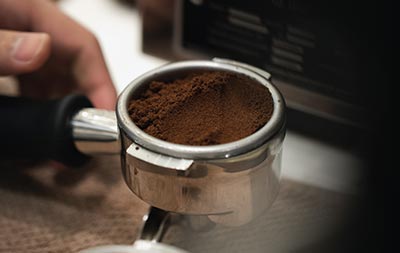

A great cup of coffee is not only about the beans. It is also about the experience behind the counter: the workflow, the equipment, the service speed, and the consistency that customers receive every time they visit.

For cafés, restaurants, hotels, offices, and beverage businesses, professional coffee equipment plays a key role in creating a smooth and reliable service experience.

The Customer Experience Starts Behind the Counter

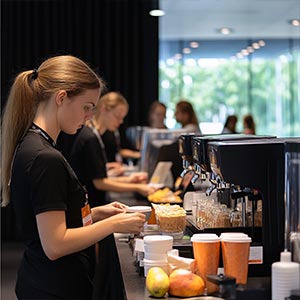
When customers walk into a coffee shop, they notice more than the drink itself. They notice the atmosphere, the confidence of the barista, the speed of service, and the quality of the final cup.

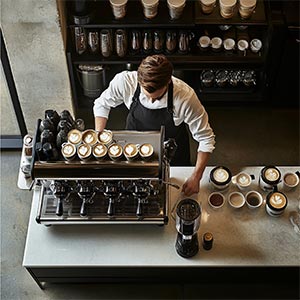
A well-organized coffee counter helps staff work efficiently and creates a more professional impression. From the grinder to the espresso machine, every part of the setup contributes to the customer experience.

Consistent Coffee Builds Customer Trust

Customers return when they know they can expect the same quality every time. Consistency is one of the strongest foundations of a successful coffee business.

Professional coffee equipment helps operators maintain stable extraction, accurate grinding, reliable temperature control, and smoother preparation. This makes it easier for baristas to deliver drinks with consistent flavor, texture, and presentation.

Workflow Efficiency Matters During Busy Hours

Busy service periods can quickly test the strength of a coffee setup. If the workflow is slow or the equipment cannot keep up, waiting times increase and service quality may suffer.

The right equipment supports faster preparation, easier operation, and better coordination behind the counter. This is especially important for cafés, catering chains, hotels, and commercial beverage spaces where daily output can change throughout the day.

Professional Equipment Supports Barista Confidence

A good barista needs reliable tools. When equipment is stable, responsive, and easy to use, staff can focus more on the drink and the customer rather than struggling with the machine.

Clear controls, durable components, practical layouts, and easy maintenance all help create a more confident working environment. This improves both employee efficiency and customer satisfaction.

Design Adds Value to the Brand

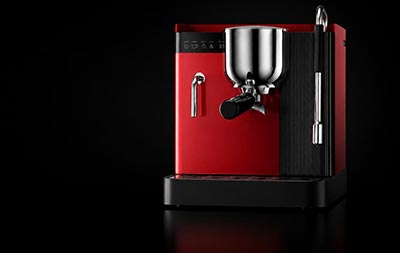
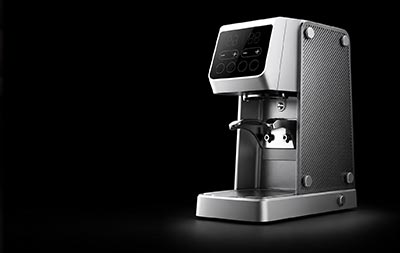
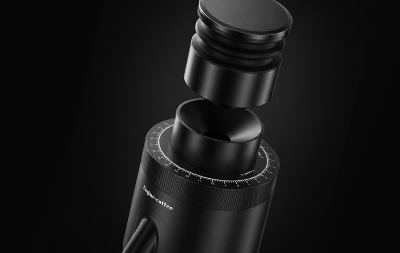
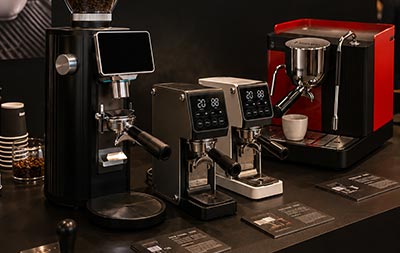
Modern coffee equipment is also part of the visual identity of the business. A professional espresso machine or grinder can become a focal point of the coffee bar, helping the space feel more refined and trustworthy.

For premium cafés and commercial beverage environments, equipment design matters because it reflects the brand’s attention to quality, detail, and customer experience.

Suitable for Different Business Environments

Professional coffee solutions can support many types of businesses, including:

  • Specialty coffee shops
  • Restaurants and cafés
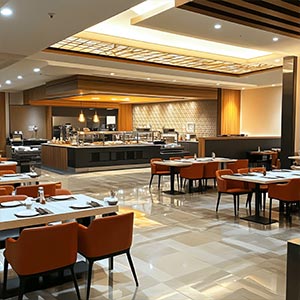
  • Hotel and B&B beverage areas
  • Catering and beverage chains
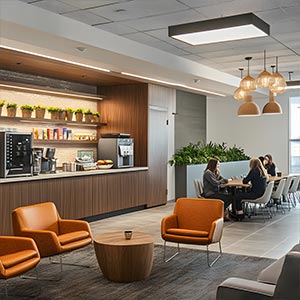
  • Office coffee corners
  • Commercial public spaces
  • Tea and mixed beverage stores

Each environment has different service needs, but they all require equipment that can support quality, speed, and reliability.

Conclusion

A better coffee experience begins with the right equipment. Professional coffee machines and grinders help businesses improve consistency, support barista workflow, reduce service pressure, and create a stronger impression for customers.

For any business that wants to serve coffee with confidence, investing in professional coffee equipment is not only about production. It is about building a better customer experience from the first order to the final cup.
Choosing the right espresso machine is one of the most important decisions for any coffee business. Whether you operate a specialty coffee shop, restaurant, hotel, office beverage area, or catering chain, the machine you select will directly influence drink quality, service speed, workflow efficiency, and long-term operating costs.

A professional espresso machine is not only about appearance. It must match your business volume, staff skill level, menu structure, available space, and daily service expectations.

Understand Your Daily Coffee Demand

Before choosing a machine, the first step is to understand how many cups your business needs to serve each day. A small café with steady traffic has different requirements from a busy chain store or hotel breakfast area.

Higher-volume environments need equipment that can maintain stable performance during peak hours. This includes consistent temperature control, reliable pressure, fast recovery time, and durable internal components designed for continuous use.

Match the Machine to Your Business Type

Different business environments require different coffee solutions. A specialty coffee shop may focus on precise extraction and barista control, while a hotel or office may prioritize speed, simplicity, and repeatable results.

  • Specialty coffee shops need machines that support professional extraction control and consistent cup quality.
  • Restaurants and cafés need reliable machines that can handle daily service without slowing down operations.
  • Hotels and B&Bs need equipment that delivers stable performance for guests throughout the day.
  • Office and commercial spaces often require simple operation, easy maintenance, and dependable output.
  • Catering chains need scalable equipment that can support standardized beverage service across locations.

Consider Workflow and Counter Space

A good espresso setup should improve the workflow behind the counter. The size of the machine, position of the steam wand, group head layout, cup clearance, and control interface all affect how efficiently staff can work.

For smaller counters, compact machines can save valuable space while still delivering professional performance. For larger coffee bars, multi-group machines may be better suited to high-volume service and multiple operators.

Look for Consistency and Reliability

Consistency is one of the most important qualities in commercial coffee equipment. Customers expect the same taste and quality every time they order. A reliable espresso machine helps reduce variation between drinks and supports stable operation during busy periods.

Durable construction, stable brewing temperature, quality pumps, and easy maintenance access all contribute to long-term reliability. For business owners, this means fewer interruptions, lower service pressure, and stronger return on investment.

Design Also Matters

In modern coffee businesses, the espresso machine is often part of the customer-facing environment. A well-designed machine can strengthen the visual identity of the café or commercial space.

Color, material finish, lighting, interface design, and overall shape all influence how customers perceive the brand. A professional-looking machine helps communicate quality, confidence, and attention to detail.

Plan for Service and Maintenance

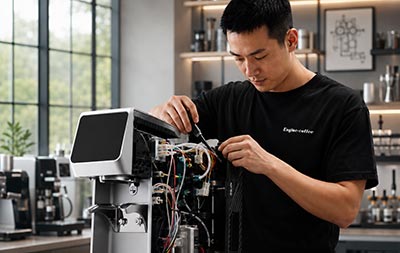
Even the best espresso machine requires proper maintenance. When choosing equipment, businesses should consider cleaning requirements, spare parts availability, after-sales support, and technical service access.

Easy maintenance helps keep the machine performing well over time and reduces the risk of downtime. For commercial operators, service support is just as important as the machine itself.

Conclusion

The right espresso machine should support your business goals, not only your drink menu. It should match your daily output, improve workflow, maintain consistent quality, and fit the visual style of your space.

For cafés, hotels, restaurants, offices, and beverage chains, investing in the right professional espresso equipment is a long-term decision that affects service quality, customer experience, and business efficiency.

In today’s coffee market, customers expect more than a quick cup of coffee. They expect consistency, flavor, speed, and a professional experience every time they order. For cafés, hotels, restaurants, and commercial beverage spaces, the quality of the espresso machine directly affects the quality of every drink served.

A professional espresso machine is not only a piece of equipment. It is the center of the coffee workflow.

Consistent Extraction Starts with Stable Control

Espresso quality depends on precision. Temperature, pressure, water flow, and extraction time must work together to produce a balanced cup. When these elements are unstable, the result can change from one shot to another.

A well-designed commercial espresso machine helps baristas maintain stable brewing conditions, reducing variation and improving consistency during busy service hours.

Better Workflow for Busy Coffee Environments

In high-demand environments, speed matters. A machine with a clear control interface, responsive operation, and reliable group heads allows staff to work faster without losing quality.

For cafés and beverage chains, this means shorter waiting times, smoother service, and better customer satisfaction. For hotels, restaurants, and offices, it means dependable coffee service throughout the day.

Professional Design Builds Customer Confidence

The espresso machine is often one of the most visible elements in a coffee bar. Its design, materials, lighting, and interface all contribute to the customer’s impression of the business.

A refined machine with premium details, durable components, and a modern appearance helps create a stronger brand image. It shows that the business values quality, not only in coffee but also in presentation.

Reliable Equipment Reduces Long-Term Costs

Commercial coffee equipment must perform every day. Machines used in business environments need to withstand continuous operation, repeated cleaning, and daily pressure from service demands.

Choosing reliable espresso equipment helps reduce downtime, service interruptions, and maintenance issues. For business owners, this means better operational stability and stronger long-term value.

Designed for More Than Coffee Shops

Professional espresso machines are no longer limited to specialty cafés. They are now widely used in different commercial environments, including:

  • Specialty coffee shops
  • Catering chains
  • Hotels and B&Bs
  • Restaurants and cafés
  • Office coffee corners
  • Commercial public spaces
  • Tea and mixed beverage stores

Each environment has different workflow needs, but they all share one requirement: consistent beverage quality.

Conclusion

A professional espresso machine plays a major role in the success of a coffee business. It improves extraction consistency, supports faster workflow, strengthens the visual identity of the space, and helps operators deliver a better coffee experience.

For businesses that want to serve coffee with confidence, investing in precision espresso equipment is not only a technical choice. It is a brand decision.